Calculators4 min
Bioactive Substrate Calculator: How Many Quarts and Bags You Need
Quarts, liters and bags of substrate and drainage for any enclosure, with the method and defaults explained.
32 guides in total.
32 guides· Page 2 of 2
Quarts, liters and bags of substrate and drainage for any enclosure, with the method and defaults explained.
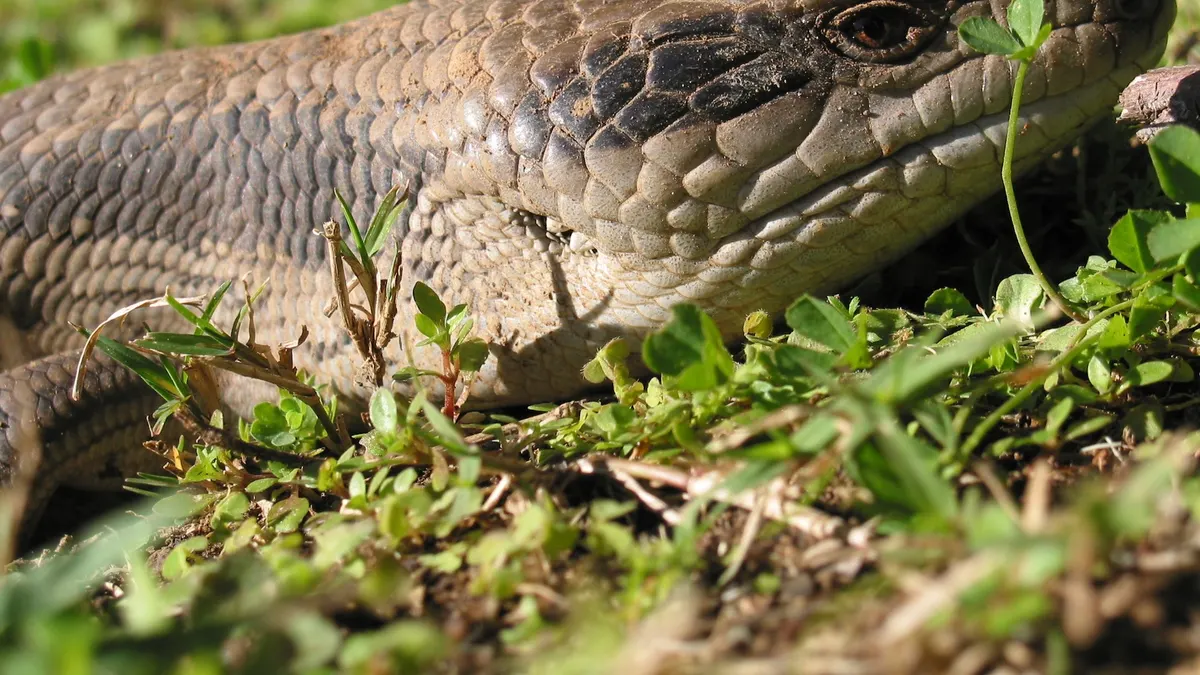
At least 4 feet of floor, a 33 to 38°C basking spot, a 21 to 26°C cool end, real UVB and room to dig: the blue-tongued skink setup with its sources.
A 48 x 24 x 24 inch minimum for an adult, a 28 to 30°C warm end, 40 to 60% humidity, an escape-proof lid and a hide at each end: the corn snake setup with sources.
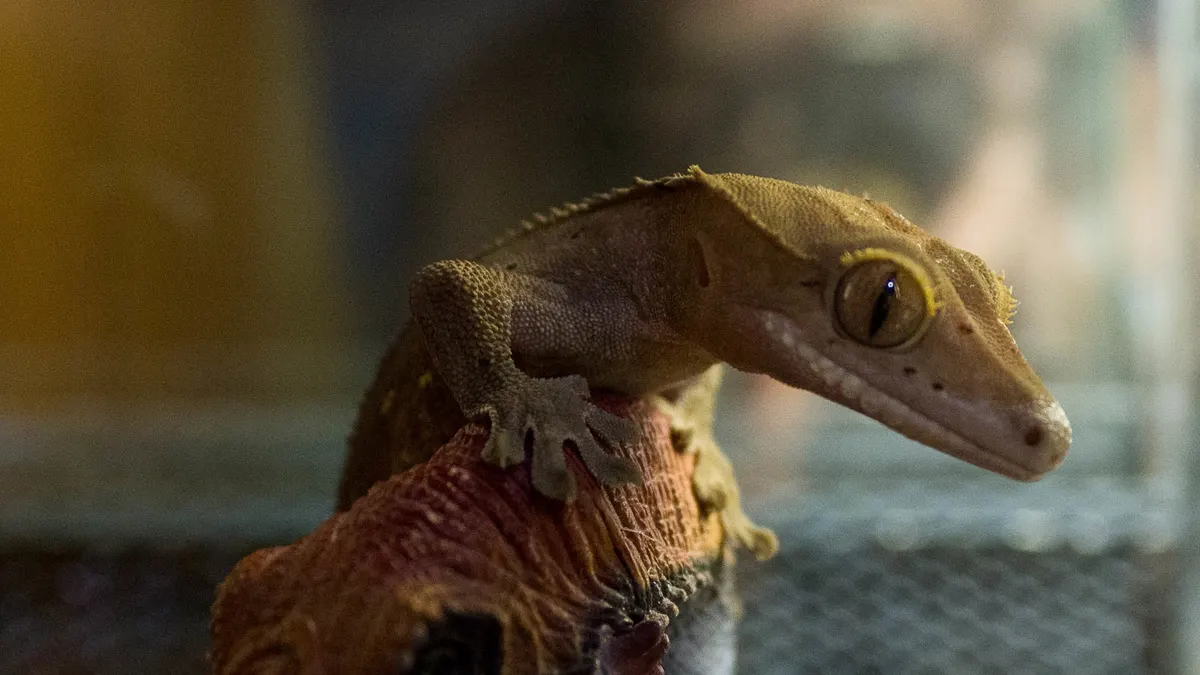
An 18 x 18 x 24 inch tall enclosure or larger, about 25 to 28°C by day, 50 to 70% humidity and a low-output UVB tube: the crested gecko setup with its sources.
Spot clean waste as it appears, deep clean monthly, and use a disinfectant at the label's dilution and contact time. Here is the routine with every figure sourced.
Each layer, how deep to lay it, when you can skip drainage, and the upkeep a bioactive enclosure still needs.
A 36 x 18 inch floor or larger, a 28 to 30°C warm spot, a gentle UV gradient, 30 to 40% humidity and a humid hide: the setup with its sources.
PVC holds heat and weighs less; glass shows more and handles wet builds out of the box. The sourced comparison.
What a reptile setup costs to run, from each device's watts, hours and your electricity rate.
What each common pet reptile needs, from a 10-gallon minimum to 12 square feet of floor, and why the veterinary and welfare sources disagree.
The rules that keep heat lamps and heat mats from burning animals or starting fires, from the manuals and the USFA.
The four Ferguson zones, which zone your reptile is in, and how to turn that into a lamp and a distance.
On the makers' charts a T5 HO tube gives two to three times the UV index of a T8. Here is when each one makes sense.
Three enclosure brands on their own published specs and policies: who each one suits.